
How Dark Themes in Art Shape Cultural Expression

Art has always been a mirror reflecting the complexities of human experience. Among the many elements that influence artistic expression, dark themes hold a unique and powerful place. These themes delve into the depths of human emotion—exploring fear, sorrow, mystery, and the unknown. Rather than existing purely as symbols of gloom, they challenge viewers to confront uncomfortable truths and evoke profound emotional responses. This article explores how dark themes in art shape cultural expression, influence creativity, and resonate across different societies.
The Role of Dark Themes in Art
Dark themes in art often explore subjects such as death, despair, the supernatural, and existential dread. These themes are not merely about gloom or negativity; they serve as a means to understand and process the darker aspects of life. Artists use these motifs to question societal norms, explore psychological depths, and express personal or collective trauma.
For example, the works of Francisco Goya, particularly his "Black Paintings," reveal a haunting portrayal of human suffering and madness. These paintings, created in the later years of his life, reflect the turmoil of his time and his own inner struggles. Similarly, the Gothic art movement embraced dark themes to evoke mystery and the sublime, influencing architecture, literature, and visual arts.
Dark themes also provide a space for cultural storytelling. Many indigenous and traditional art forms incorporate elements of darkness to symbolize transformation, the cycle of life and death, or spiritual journeys. This use of dark imagery helps preserve cultural identity and convey complex narratives.
Exploring Dark Themes in Art Across Cultures
Dark themes manifest differently across cultures, shaped by historical context, religious beliefs, and social structures. In Japanese art, the concept of mono no aware—an awareness of impermanence—often intertwines with darker imagery to evoke a quiet, bittersweet acceptance of life’s fleeting nature. During the Edo period, Ukiyo-e artists frequently depicted yūrei (ghosts) and supernatural beings, drawing from folklore to explore themes of loss, morality, and the boundary between the living and the dead.
In Western art, the Romantic movement embraced darkness as a means of expressing intense emotion and individual subjectivity. Artists such as Caspar David Friedrich used mist-laden landscapes, ruins, and twilight settings to evoke melancholy, solitude, and awe. This fascination with emotional and psychological darkness continued into the 19th and 20th centuries through movements like Symbolism and Surrealism, where artists including Edvard Munch and Salvador Dalí explored anxiety, dreams, and existential unease.
African art often incorporates dark themes through masks and sculptural forms used in rituals associated with death, ancestral presence, and spiritual protection. These works are not expressions of fear alone; they carry communal meaning and act as conduits between the physical and spiritual worlds.

Psychological Impact of Dark Themes in Art
Engaging with dark themes in art can have a profound psychological impact on both creators and viewers. For artists, working with such themes often serves as a form of catharsis—allowing them to process trauma, anxiety, or unresolved emotional experiences. This process can foster healing, self-awareness, and emotional clarity.
For viewers, dark-themed art can evoke empathy and introspection. By confronting fear, grief, or taboo subjects through art, individuals may gain a deeper understanding of both themselves and others. Research in art therapy suggests that exposure to emotionally complex imagery can help people articulate feelings that are otherwise difficult to express verbally.
Additionally, darkness in art stimulates curiosity and imagination. Its ambiguity invites interpretation, encouraging viewers to actively engage with the work and construct personal meaning rather than passively consume it.
How Dark Vibes Influence Contemporary Art
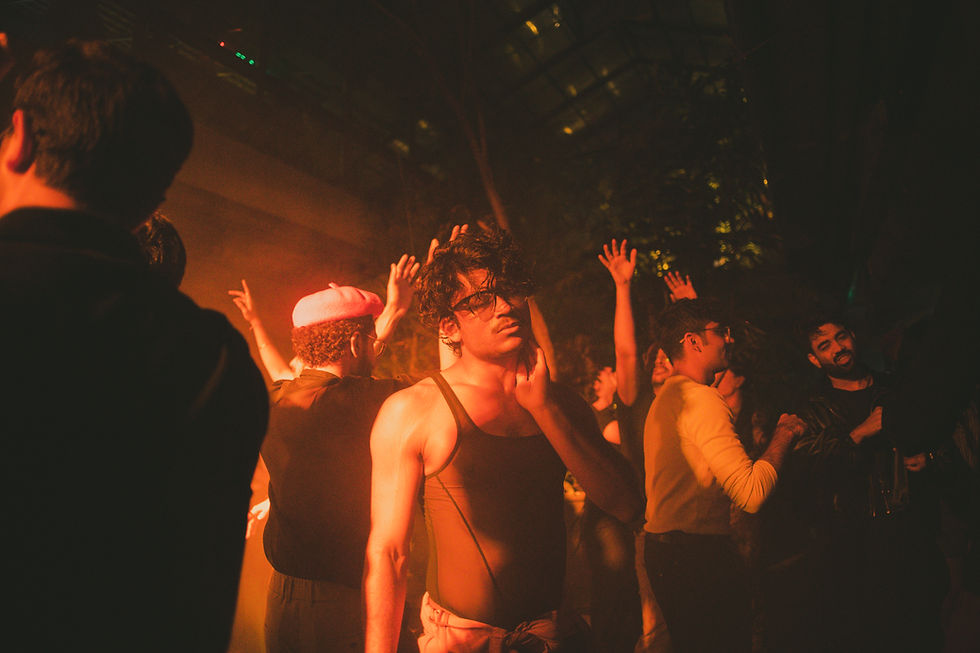
In contemporary art, dark aesthetics continue to resonate across mediums such as visual art, music, film, and digital culture. Today’s artists often draw upon shadowy themes to respond to mental health struggles, climate anxiety, political unrest, surveillance, and social alienation. Darkness becomes a visual and emotional language through which contemporary realities are examined.
Street art and digital platforms have emerged as powerful spaces for these expressions. Murals depicting dystopian futures, fractured identities, or decaying urban environments act as critiques of present conditions and warnings about possible futures. Similarly, digital artists use glitch, distortion, and obscured imagery to reflect the instability and overload of modern life.
Many contemporary creators also experiment with contrast—placing darkness alongside vivid color, light, or movement. This interplay reflects the tension of contemporary existence, where despair and hope often coexist.

Practical Ways to Incorporate Dark Themes in Your Art
If you are an artist or creative looking to explore dark themes in your work, here are some practical tips:
Research Cultural Contexts - Understand how different cultures interpret darkness and incorporate those perspectives respectfully.
Use Symbolism - Employ symbols like shadows, night, decay, or mythical creatures to convey deeper meanings.
Experiment with Color and Light - Use muted palettes, stark contrasts, or chiaroscuro techniques to evoke mood.
Tell a Story - Create narratives that explore complex emotions or social issues through your art.
Balance Darkness with Light - Incorporate elements of hope or redemption to add depth and avoid overwhelming negativity.
Reflect Personal Experience - Draw from your own emotions and experiences to create authentic and relatable work.
By thoughtfully integrating dark themes, artists can create compelling pieces that resonate emotionally and intellectually with their audience.
The Enduring Power of Dark Themes in Art
Dark themes in art are more than stylistic choices—they are vital tools for cultural expression and human connection. Across time and geography, they have enabled societies to confront fear, examine suffering, and engage with the unknown. From ancient rituals to contemporary installations, darkness has shaped artistic language and expanded emotional understanding.
By embracing complexity rather than avoiding discomfort, dark-themed art invites deeper engagement with the human condition. It reminds us that within shadow lies meaning, and within uncertainty lies the possibility of transformation. Through this lens, art becomes not just reflective, but profoundly transformative.


Comments